
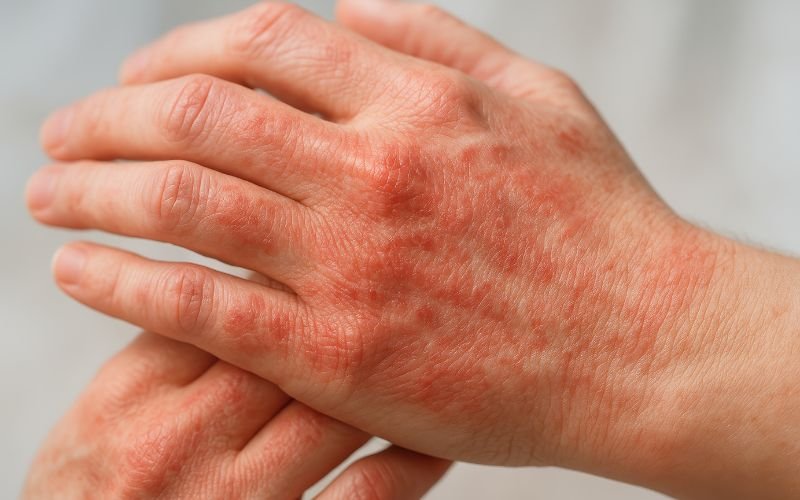
Eczema, also known as dermatitis, is a chronic skin condition that causes dryness, itching, redness and sometimes painful inflammation. It can occur at any age — from infants to adults — and often comes and goes in episodes called flare-ups. While eczema is not contagious, it can be frustrating and uncomfortable, especially when symptoms interfere with daily activities or disturb sleep. The good news is that with the right treatment and skin care routine, eczema can be controlled effectively.
Eczema is primarily linked to an overactive immune response. The skin barrier of people with eczema tends to be weaker, which makes the skin more sensitive to irritants and environmental factors. When the skin is exposed to a trigger — such as dryness, stress, dust, heat, sweat, fabric friction, or certain soaps — inflammation increases, leading to itching and redness. Scratching may provide temporary relief, but it often worsens inflammation and can cause the skin to crack or even become infected.
There are different types of eczema. Atopic Dermatitis is the most common and is often associated with allergies or asthma. Contact Dermatitis occurs when the skin reacts to a specific irritant like detergent, perfume or metal. Seborrheic Dermatitis appears around the scalp, eyebrows, and sides of the nose, and is linked to oil glands. Each type requires a slightly different treatment approach, which is why professional diagnosis is important.
The symptoms of eczema can vary depending on severity. In mild cases, the skin may simply be dry and itchy, while in more severe cases, thickened patches, scaling, and deep cracks may occur. In some cases, eczema can become infected, leading to oozing, pain or yellowish crusting — which requires medical treatment.
The first step in managing eczema is restoring and strengthening the skin barrier. This includes using gentle cleansers and applying moisturizer often — especially after bathing. Thick, fragrance-free creams or ointments help lock moisture into the skin and protect it from dryness. Avoiding long, hot showers is helpful, as hot water strips the skin of natural oils.
Dermatologists may prescribe topical treatments such as steroid creams, calcineurin inhibitors, or non-steroidal anti-inflammatory ointments to control inflammation. For more stubborn or recurring eczema, treatments like phototherapy or oral medications may be considered. It is important to follow the recommended treatment schedule and avoid self-medicating with strong creams, as improper use can lead to side effects.
Avoiding triggers plays a big role in preventing flare-ups. Wearing loose cotton clothing, using hypoallergenic laundry detergents, managing stress, and maintaining a cool environment can help. Those with scalp eczema should use dermatology-recommended medicated shampoos that control inflammation without drying out the hair.
Lifestyle adjustments also make a noticeable difference. Keeping fingernails short helps prevent skin damage during scratching. Using a humidifier in dry winter months may prevent skin dehydration. Drinking adequate water and maintaining a balanced diet with nutrients such as Omega-3 fatty acids can support overall skin health.
One of the most important things to remember is that eczema is a manageable condition. While it may not disappear permanently for everyone, flare-ups can be minimized and controlled effectively with consistent care and guidance. Many patients see significant improvement when they follow a personalized treatment plan and adopt protective skincare habits.
If you or your child are experiencing symptoms of eczema, seeking professional care helps identify triggers, control flare-ups faster, and prevent long-term skin damage. With the right approach, the skin can become calmer, hydrated, and healthier — allowing you to live more comfortably and confidently.