
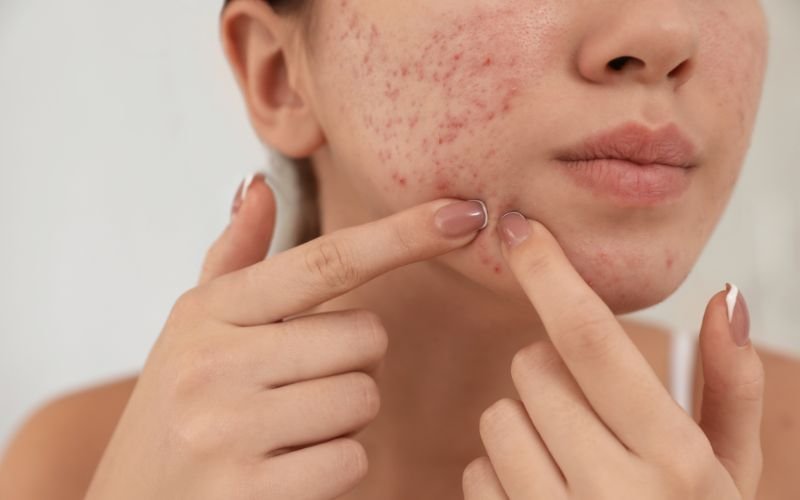
Acne is one of the most common skin concerns, affecting teenagers as well as adults. While it is often considered a “normal” phase of growing up, acne can sometimes become severe, painful, and emotionally distressing. The good news is that most forms of acne are treatable with the right medical care and lifestyle adjustments. Let’s understand what causes acne, why it happens, and how it can be effectively managed.
Acne occurs when the oil glands of the skin become blocked with excess oil, dead skin cells, and bacteria. Hormonal changes, stress, diet, improper skincare, and genetics are some of the contributing factors. Many people try to treat acne at home with random products, which often worsens the condition. Acne is not just a surface-level problem — it is influenced by internal factors as well, which is why professional treatment makes a significant difference.
There are several types of acne, such as whiteheads, blackheads, papules, pustules, nodules, and cysts. Mild acne may respond to topical creams and gels containing ingredients like salicylic acid or benzoyl peroxide. However, deeper or painful acne requires medical evaluation. Dermatologists may advise oral medications, hormonal therapy, antibiotics, or advanced treatments like chemical peels and laser therapy depending on severity.
One common mistake people make is popping or squeezing pimples. This causes inflammation, pushes bacteria deeper into the skin, and greatly increases the risk of scarring. Acne scars can be dark marks or deep pits that require specialized treatments like microneedling, laser resurfacing, PRP, or chemical peels to improve.
Along with treatment, daily skincare plays a very important role. Use a gentle cleanser twice a day, avoid scrubbing the face, choose non-comedogenic products, and keep your hands away from your face. Diet can also influence acne for some people. Foods high in sugar, dairy, or excessive oil may trigger breakouts, while a balanced diet rich in antioxidants, fruits, and water helps improve skin health.
Acne is treatable — no one has to live with it permanently. If you are struggling with persistent acne, consulting a dermatologist helps you get a personalized treatment plan designed for your skin type. With consistent care and the right guidance, clear and healthy skin is possible.